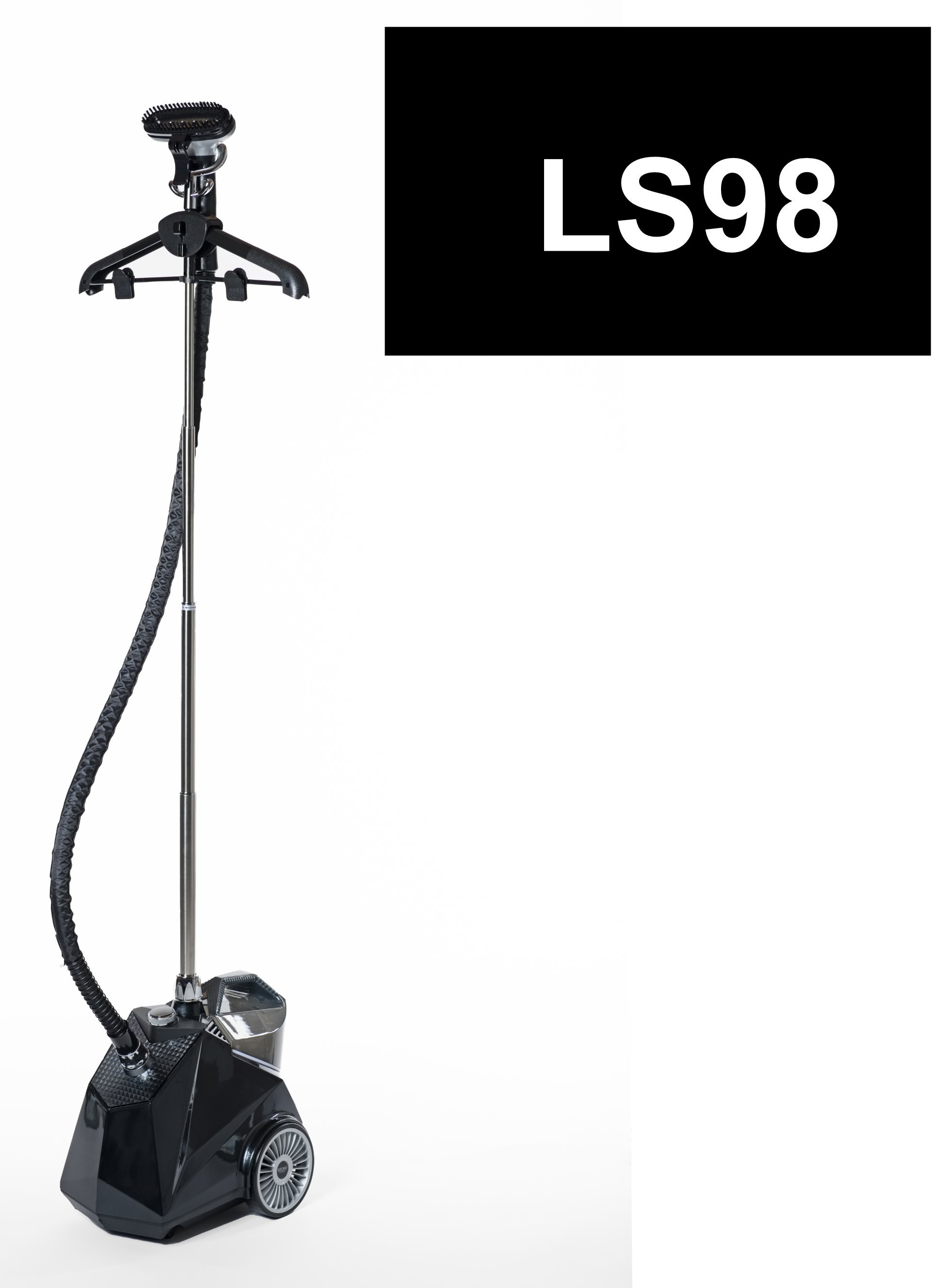
Descale - Repair My Clothes Steamer

Technical diagnosis, descaling protocols, and workshop procedures prior to service intake.

This technical guide, published by the Salamandres Developpement workshop (designers of Gecko-Steamer® systems since 1994 under the leadership of Laurent Depaepe), is designed to help you identify and resolve common operating anomalies independently.

Reflecting our commitment to longevity and full repairability, our steamers are built on modular mechanical frames. In over 80% of cases, targeted maintenance—primarily removing mineral scale or purging the boiler chamber—restores factory performance without requiring workshop dispatch.

Important: Prior to requesting workshop inspection, please perform the diagnostic checks and maintenance steps outlined below.

Before Starting: Steam Physics and Mineral Deposits

Key technical principle: A garment steamer converts thermal energy into a pressurized or atmospheric gas stream using water. Dissolved minerals (calcium and magnesium carbonate) precipitate when exposed to high heat and represent the primary cause of mechanical degradation:

  • As it solidifies against the aluminum boiler core, limescale acts as a thermal insulator, drastically slowing heat transfer and causing premature steam condensation in the hose.
  • Thermal protection devices (thermal fuses or bi-metal switches) trip in the presence of excessive scale to prevent terminal element burnout.
  • Safety during maintenance: Always allow the system to cool down completely before handling to eliminate any risk of burns or pressurized water discharge.

Why Hard Water Is Critical in High-Pressure Systems

Unlike open continuous-flow low-pressure steamers, a sealed pressurized boiler suffers four direct chain-reaction failures when exposed to hard water:

  • Degraded thermal efficiency: Mineral scale forms an insulating layer around the heating element, drastically increasing heat-up times and lowering working steam pressure.
  • Water level sensor blinding: Limescale coats the internal conductive probe responsible for detecting the upper water threshold. The control board fails to register the fill limit, causing the boiler to overfill and flood the expansion chamber. Result: the steaming head spits boiling water.
  • Air-relief valve blockage (siphoning effect): During cooldown, residual steam condenses and creates an internal vacuum. If scale flakes obstruct the air-intake balancing valve designed to equalize pressure, the vacuum siphons water from the external reservoir straight into the cold boiler. Upon the next power-up, the flooded vessel ejects scalding liquid.
  • Scale migration to the steaming head: Loose mineral flakes carried by high-velocity steam clog the soleplate micro-nozzles and risk discharging white chalky deposits that stain darker fabrics.

Factory recommendation: Use exclusively demineralized water formulated specifically for steam generators and irons (demineralized water with conductive additives allowing the electronic level sensor to function). Avoid tap water entirely, even in a 50/50 mix: any addition of tap water reintroduces dissolved minerals, inevitably leading to scale accumulation and safety valve failures.

Maintenance & Descaling: Protocols by Boiler Architecture

Select your model series to follow the descaling protocol established by our engineering office.

🟢 When and why should you descale?

When utilizing municipal tap water, evaporation continuously concentrates minerals inside the heating block. Maintenance intervals depend on the water hardness rating (°dH / ppm) in your area and your weekly operating hours. As soon as a white film is visible or steam output declines, an acid flush is required.

Subjected to continuous thermal cycles, calcium carbonate crystallizes into compact calcite rock. This obstructs internal steam galleries, fouls solenoid valves, and leads to water droplets spitting from the nozzle due to insufficient thermal energy.

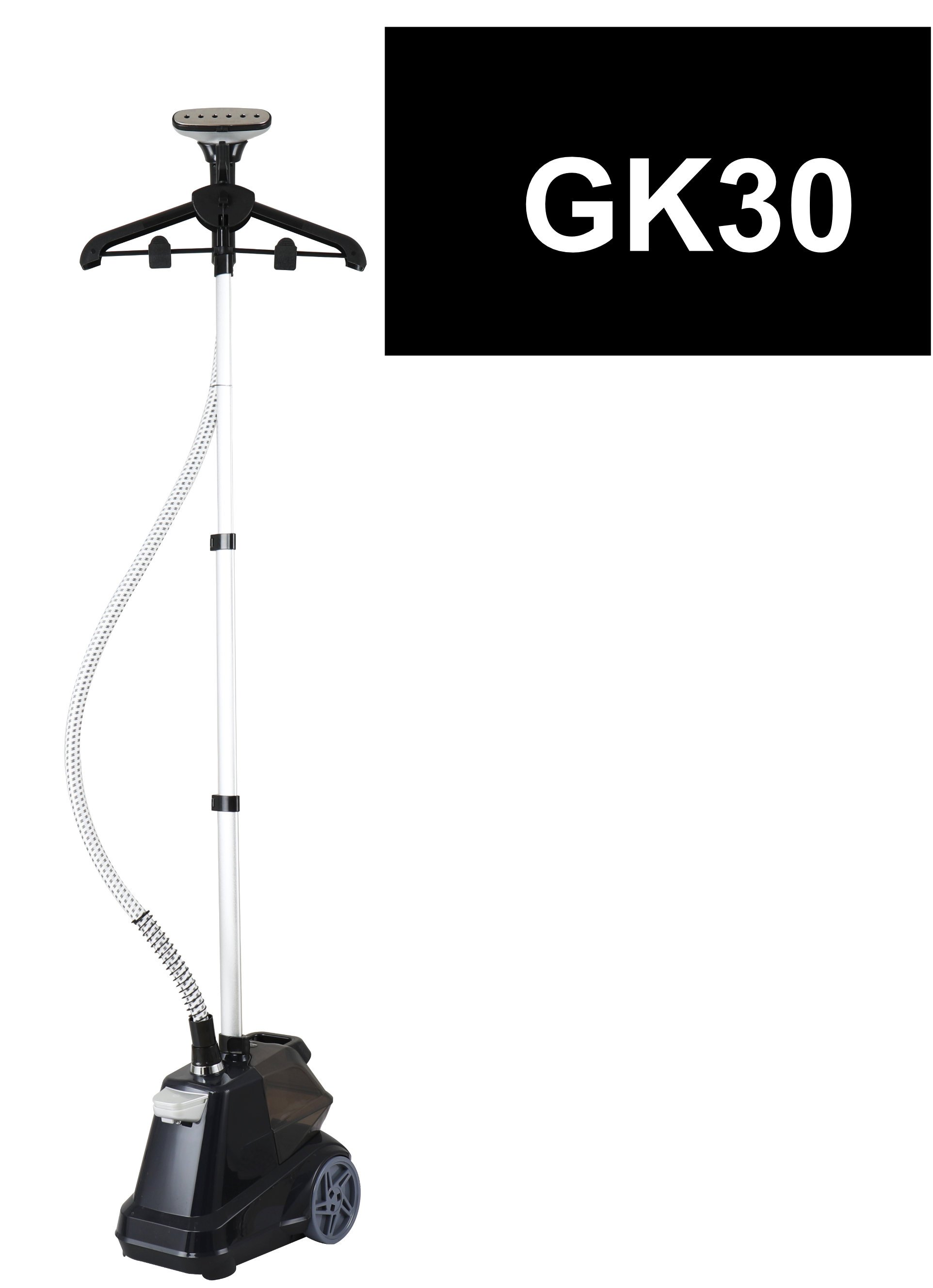
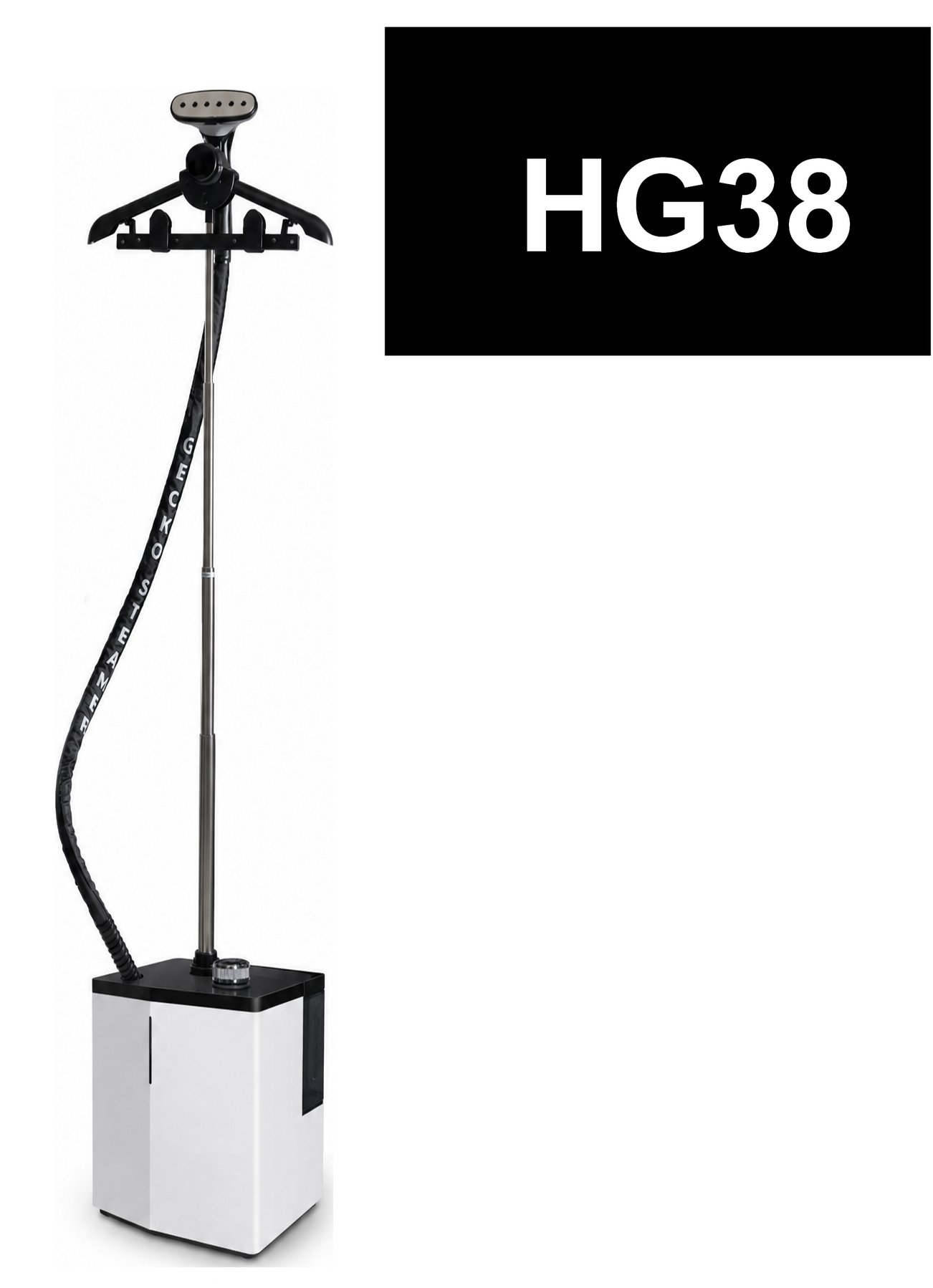
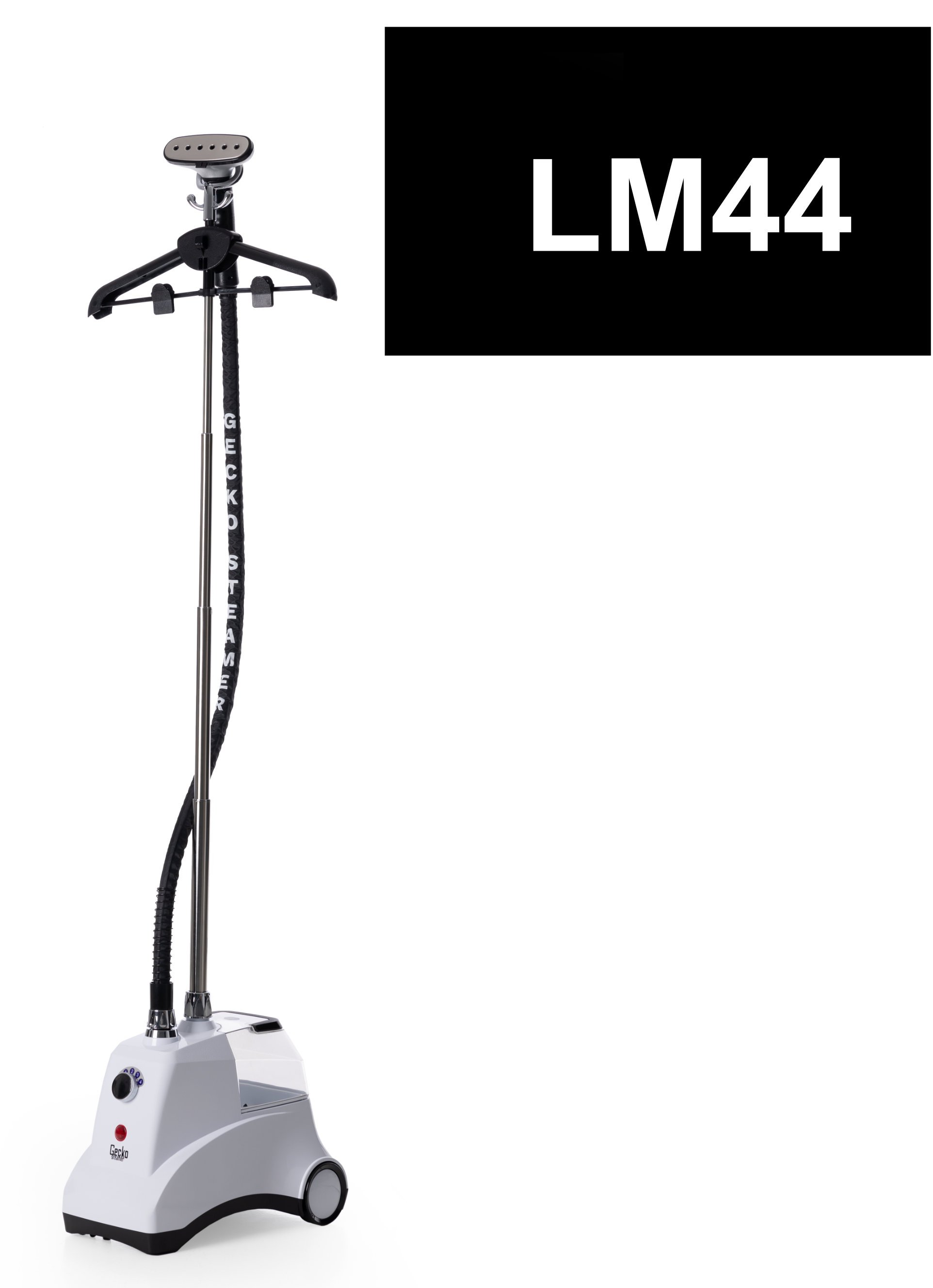
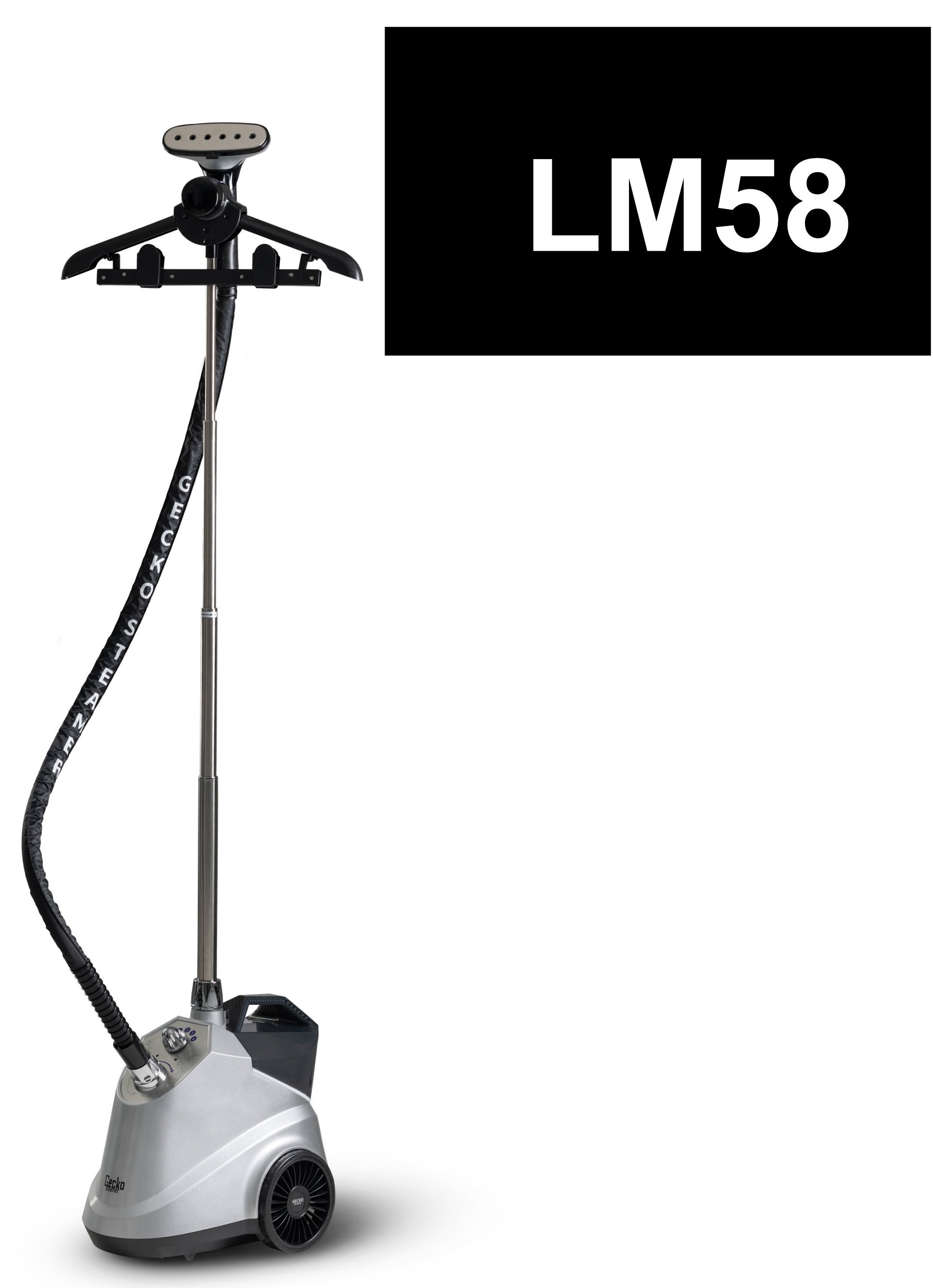
🟢 Descaling procedure – Continuous low pressure (GK30 / HG38 / LM44 / LM58 / LS98)
  1. Fill the removable water tank with a descaling solution formulated for steam generators, or use 14° white household vinegar diluted 50/50 with tap water.
  2. Reseat the water tank onto the base to allow fluid into the lower evaporation channel.
  3. Switch the power on for 30 seconds to initiate the chemical reaction, then turn the unit off immediately.
  4. Let the solution sit for 30 minutes at room temperature to dissolve calcite deposits without degrading internal seals.
  5. Rinsing: Disassemble accessories (steaming head, pole) and tip the machine over a sink to drain all fluid. Rinse with clean water and repeat the flush twice.

Post-descaling test: When restarting for the first time, direct the steam output onto a scrap rag for one minute to flush out any pulverized mineral dust that could stain light-colored clothing.

External cleaning: Clean the steam plate, stainless soleplate, and outer housing with a soft, damp microfiber cloth without abrasive detergents.

Safety warning: Wear protective gloves and avoid breathing vinegar vapors during initial boiler activation.

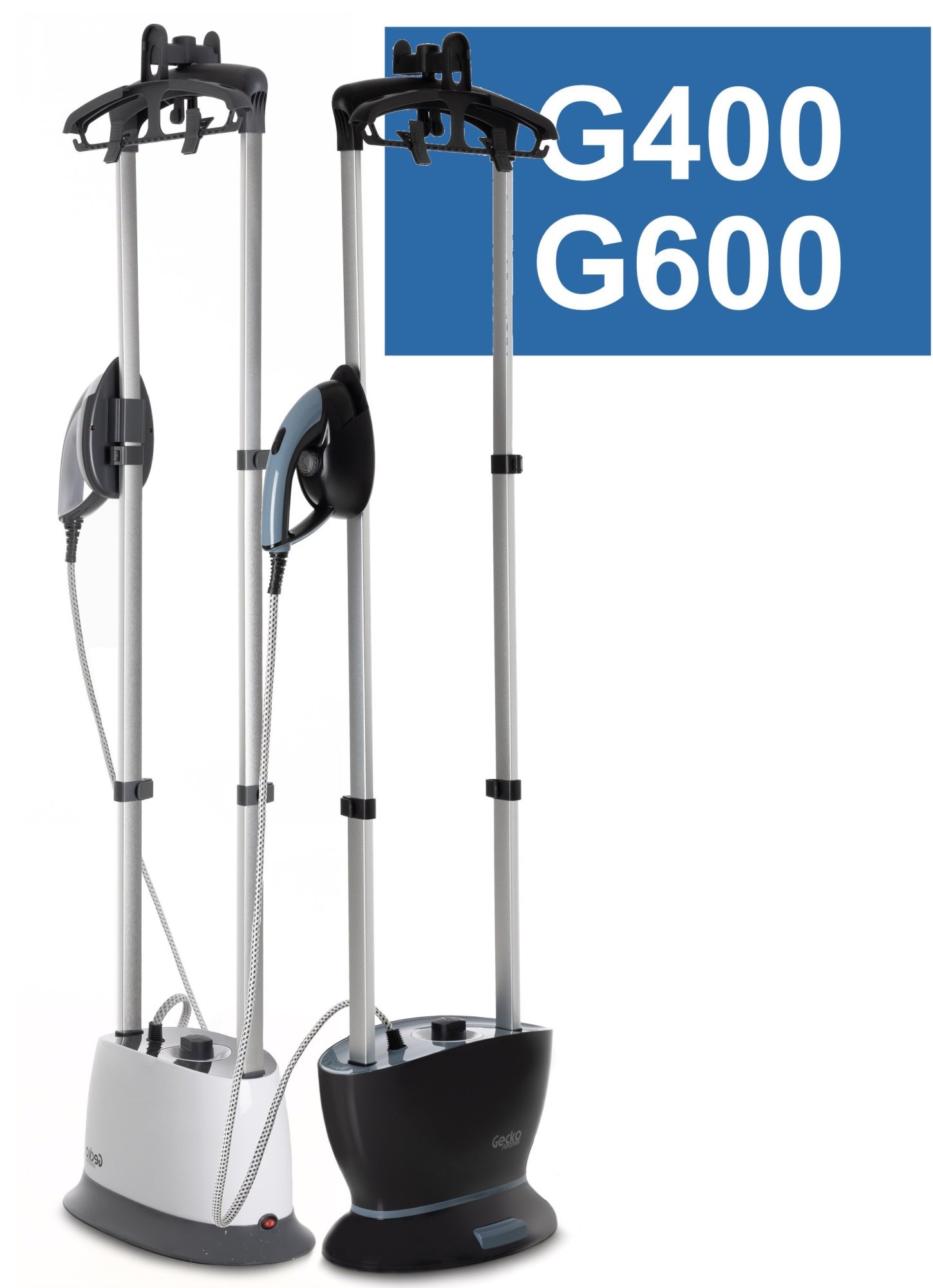
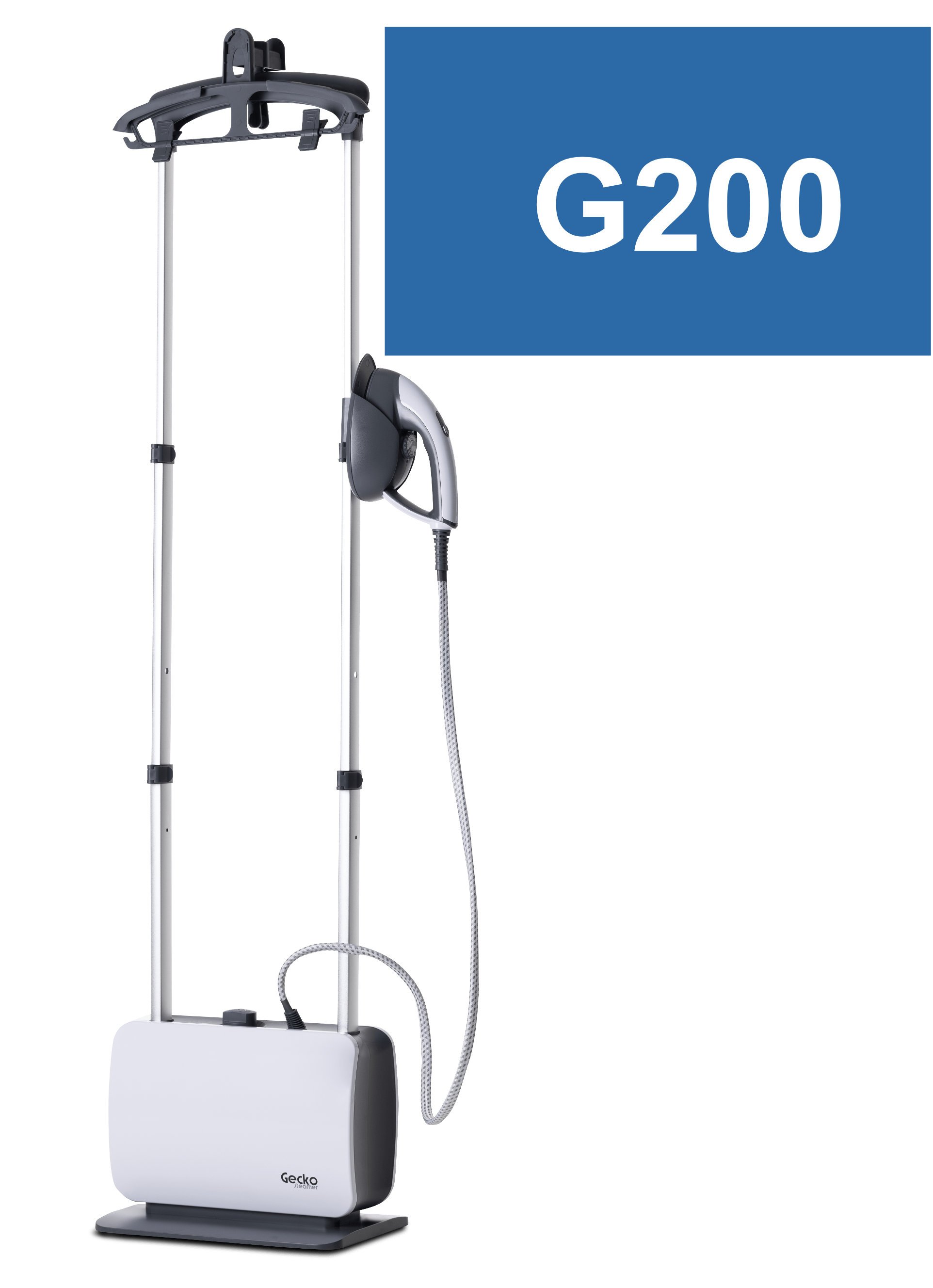
🟢 Descaling procedure – High-pressure sealed boilers (G200 / G400 / G600 / G700)
  1. Verify the boiler is cold and fully depressurized. Pour 0.5 liters of clean water mixed with specialized steam descaling solution (or 50/50 dilution of 14° white vinegar) into the boiler inlet.
  2. Secure the safety cap tightly.
  3. Turn the main switch on for 30 seconds to warm the solution, then power off and unplug from the electrical outlet.
  4. Let the acid solution rest inside the closed boiler for 30 minutes.
  5. Draining: Discharge the fluid via the bottom drain plug (models G200 / G400 / G600) or invert the unplugged machine over a sink via the filler neck (G700).
  6. Rinse thoroughly with fresh water through two full refill and drain cycles to purge residual acidity from the aluminum vessel.

External care: Wipe the iron soleplate with a damp, non-abrasive cloth after cooling to clear lint residues from steam outlets.

Restarting: Trigger a brief steam blast into a bucket before working on finished apparel.

Safety rule: Never open the pressure cap or lower drain plug when the unit is hot or pressurized.

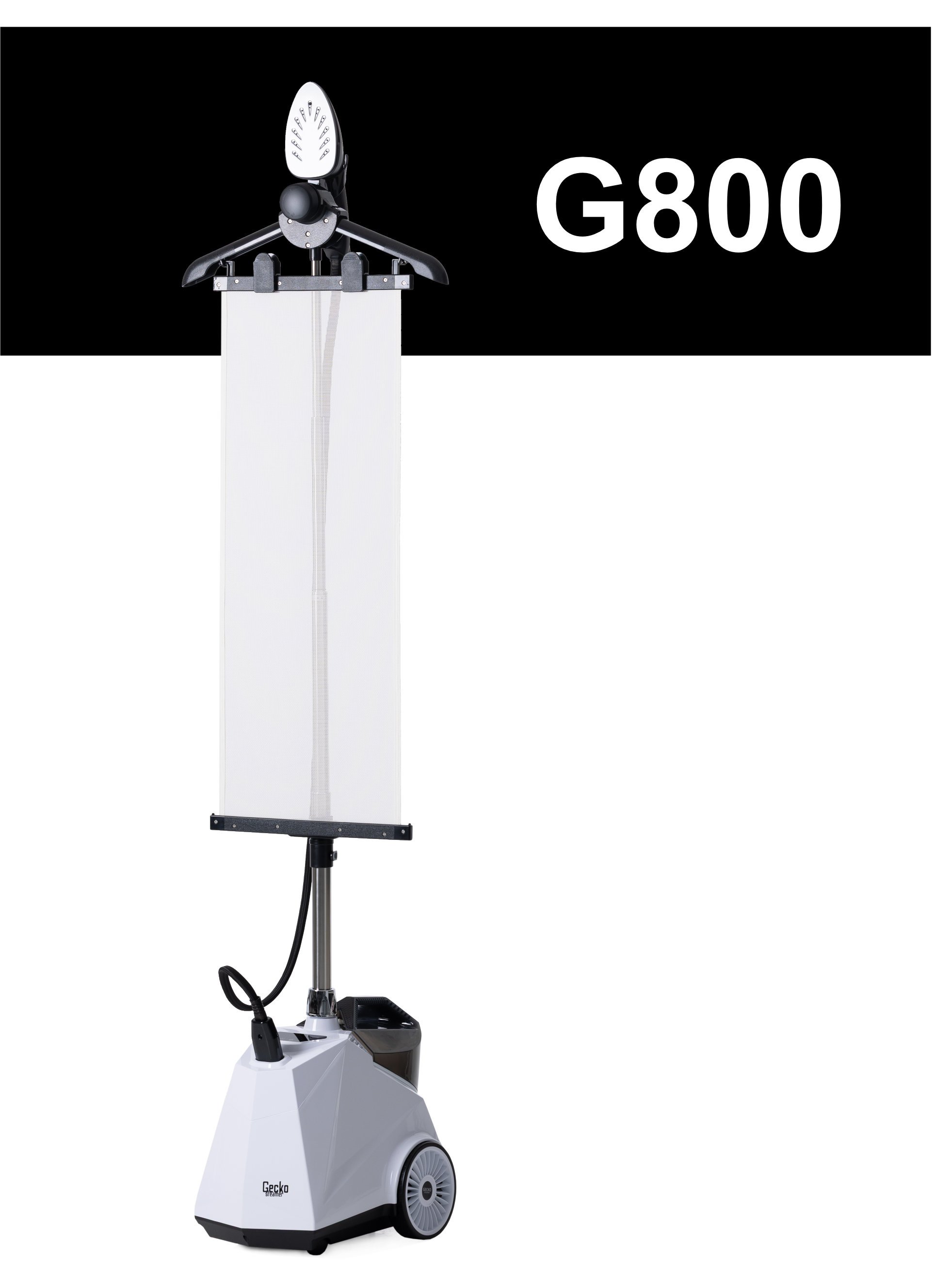
🟢 Maintenance – Gecko-Steamer G800

Review the dedicated technical documentation for the heavy-duty G800 commercial boiler system:

Open G800 maintenance protocol

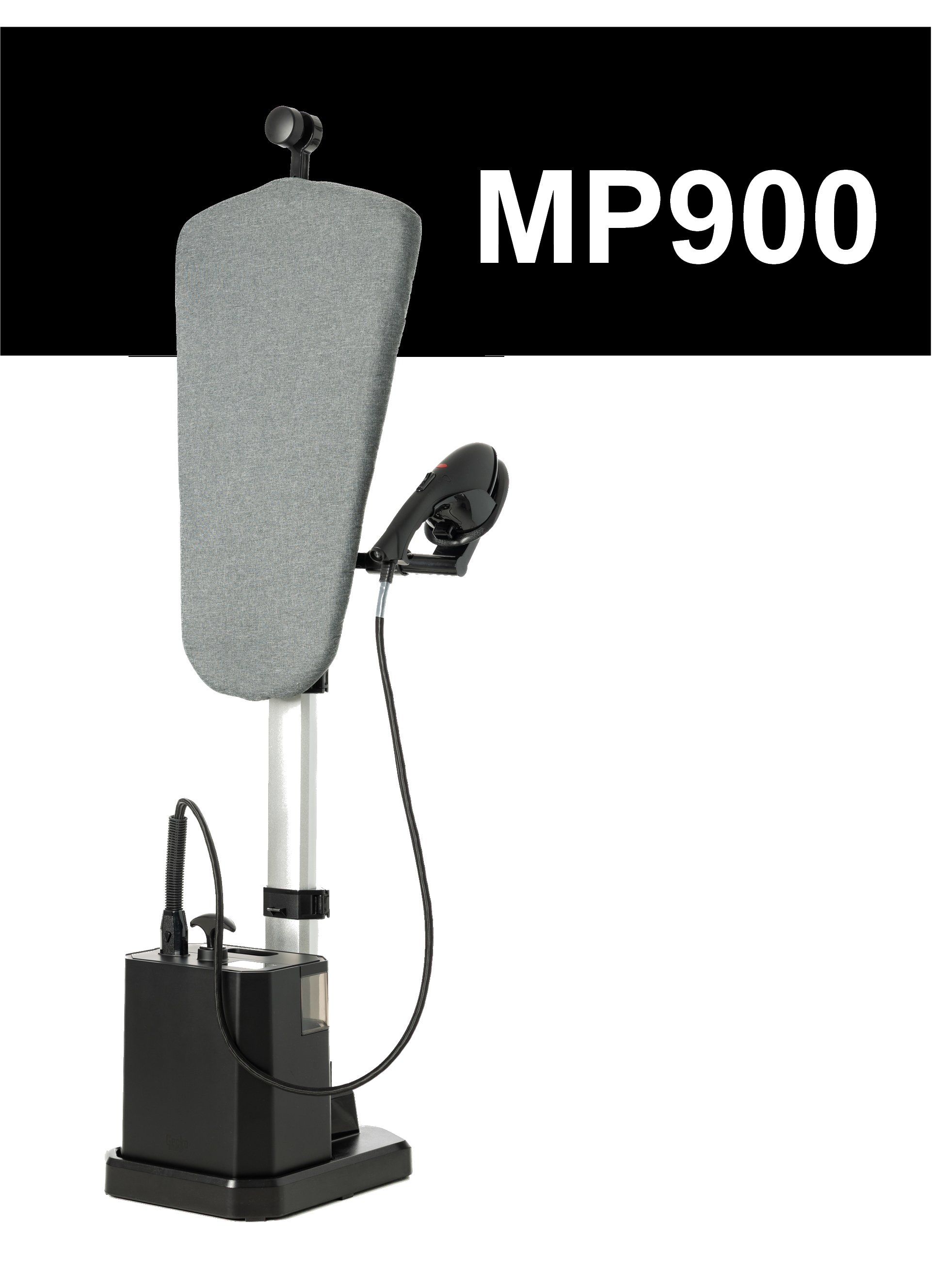
🟢 Maintenance – Gecko-Steamer G900 and MP900

For hybrid multi-position stations equipped with heated soleplates and autonomous pressure vessels:

Open MP900 / G900 maintenance protocol

Common Issues & Diagnostic Tree

Locate your symptom to apply the corresponding mechanical correction before considering workshop return.

🟠 Water overflows at the tank seat (GK30 / HG38 / LM44 / LM58 / LS98)
  • Remove the water tank and inspect the valve seal: check that the silicone O-ring is properly seated inside the screw cap.
  • Inspect the tank body for hairline fractures caused by an accidental fall. A loss of airtight vacuum causes continuous water discharge into the evaporation chamber.
  • Replace the reservoir cap or tank assembly if cracks or seal failures are visible.
🟠 Steam condenses, spits, or wets garments (GK30 / HG38 / LM44 / LM58 / LS98)

Primary physical cause

Boiler core scaling: calcified coatings insulate the heating element, lowering evaporation temperature. Steam lacks sufficient thermal enthalpy and rapidly condenses back into liquid water within the hose.

Immediate corrective action

Perform the 14° vinegar descaling cycle specified under "Maintenance & descaling".

Secondary mechanical factors

  • Cracked diffuser housing: A fracture introduces cold ambient air into the head, triggering immediate steam condensation. Solution: replace the steaming head.
  • Cold ambient draft: Avoid operating directly under cold air discharge from split-system air conditioning units.
  • Hose loop condensation: Hold the steam hose upright for a few seconds upon startup to let initial condensation drain back into the boiler base.

Workshop note: On machines operated for years without descaling, mineral scale may become chemically irreversible, requiring a replacement heating core.

🟠 Low, erratic, or no steam output (GK30 / HG38 / LM44 / LM58 / LS98)
  1. Run a full descaling procedure to clear calcified blockages from the boiler intake port.
  2. Check the steam hose routing: kinks or pinches stop low-pressure atmospheric steam from escaping.
  3. If the machine was run dry or overheated, an internal thermal safety fuse may have blown to protect the element. This requires component replacement (see Support section).
🟠 Water spitting from the iron (High-pressure series G200 / G400 / G600 / G700)

The 3 recurring causes:

  • Boiler overfilling: Exceeding maximum water capacity leaves insufficient headspace for dry gas separation.
  • Iron thermostat OFF or cold: Pressurized steam instantly condenses when passing across an unheated soleplate.
  • Tripped iron thermal fuse: Often caused by leaving the iron idle in its cradle for extended periods with the heater engaged without triggering steam.

Thermal test procedure

  • Shut down the machine and allow full cooldown.
  • Drain the vessel completely via the bottom purge screw.
  • Refill with a calibrated test dose of water (approx. ½ supplied measuring cup).
  • Power on the main station and rotate the iron thermostat to a medium-high setting.
  • Temperature check: After 2 minutes, verify whether the soleplate is warming up. If it stays cold, the internal thermal fuse has tripped and requires replacement.
  • If the soleplate heats correctly, depress the steam trigger: an initial release of a few residual droplets is normal before dry, continuous steam emerges.

If normal performance returns, ensure future refills strictly respect water limits using our graduated filling funnel.

View tutorial: Replacing the iron thermal fuse (G200 / G400 / G600 / G700)

🔴 Plugging in trips the main circuit breaker

This symptom indicates an electrical ground leakage fault: a compromised boiler heating element, water ingress across internal wire harnesses, or a damaged power cable.

For safety, do not attempt to bypass circuit protections. The equipment must be serviced in our workshop for dielectric resistance testing (refer to shipping procedure below).

Safety Devices: Operating Logic and Fault Prevention

Our steamers integrate active and passive safety systems in accordance with European thermal protection standards. The tripping of a fuse or cut-off thermostat is not an arbitrary defect, but a protective response intercepting an operating anomaly to ensure user and premises safety.

🔴 Thermal cut-offs: Root causes and prevention

Thermal safety components disconnect power when the boiler element exceeds its critical temperature limit (principally during dry runs or when heavy limescale buildup acts as a thermal trap).

Before undertaking physical disassemblies, perform required flushes and check indicator lamps. If a one-time thermal fuse has opened, it fulfilled its safety role: original replacements can be sourced easily via our spare parts department or serviced in our facility.

Workshop Maintenance, Overhauls & Technical Support

If troubleshooting checks do not resolve the issue, our factory service department will handle your machine directly.

Before dispatching your machine, please contact us through our web form to open a support ticket, clarify symptoms, and confirm service intake requirements.

Please strictly observe the following packing instructions to protect your equipment during transit:

🔴 Workshop shipping procedure (Mandatory)

Carrier warning: Equipment remains your property and travels under your responsibility. Inadequate packing may cause transit damages not covered by manufacturer warranties.

Our workshop cannot honor warranty claims if chassis or casing breakages result from substandard external packaging.

Workshop shipping address

Salamandres Developpement – Service SAV Gecko-Steamer
32 Avenue Georges Phesans – Bât 1
64330 GARLIN – France

Mandatory box contents

  • The base generator unit, completely emptied of all water, excluding loose accessories (rods, hangers, and clip-on brushes not related to the defect should be retained to prevent loss).
  • A copy of your original purchase invoice or order confirmation number.
  • A brief note detailing contact information and the fault observed.

Packaging guidelines

  • Use the original polystyrene inserts and shipping box, or a heavy-duty double-wall cardboard carton lined with dense cushioning material.
  • For models equipped with wheels, lay the steamer on its side inside the carton to eliminate axle strain during courier handling.

Intake processing

  • Bench diagnostics and electrical inspection: If the failure is covered by manufacturer warranty terms, repairs are executed promptly and return shipping is covered by us.
  • Inbound shipping allowance refund up to a ceiling of €15 incl. VAT (subject to warranty confirmation).
  • Out-of-warranty units or damage resulting from scale neglect: a formal estimate is provided before any repair work commences.

Summary

  • 🟢 Maintenance & descaling: The primary mechanical root of flow reduction.
  • 🟠 Systematic inspection: Isolate issues with our testing tree before disassembly.
  • 🔴 Factory support: Direct servicing by designing engineers if faults persist.

DOWNLOAD USER MANUAL (PDF)